

Introduction
In the world of competitive sports, the penalty shootout has become a defining moment in matches, particularly in soccer. It serves as a tiebreaker when teams are deadlocked after regular and extra time. However, an alternative concept known as “Penalty Unlimited” has emerged, prompting a debate on which method is more rewarding for players, teams, https://jdavidmacor.com/penalty-shoot-out/ and fans alike. This report delves into the mechanics, psychological impacts, and overall satisfaction derived from both formats, aiming to determine which is more rewarding in the context of competitive sports.
Understanding the Formats
Penalty Shoot Out
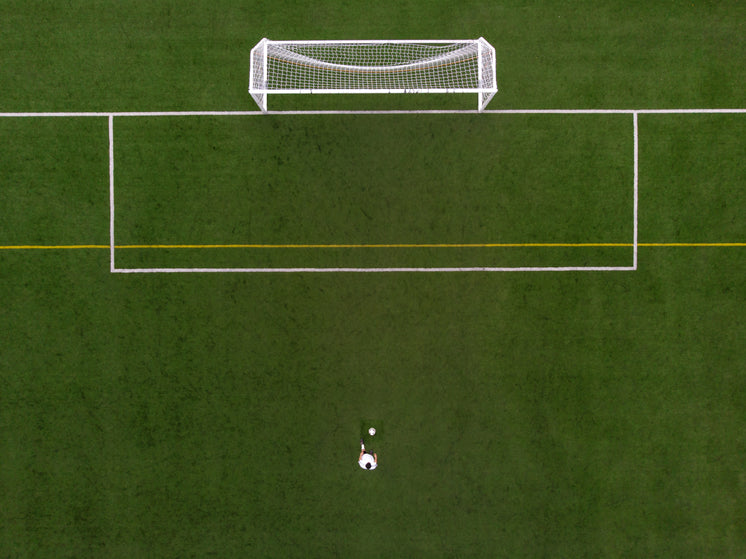
A penalty shootout consists of a series of penalty kicks taken alternately by two teams. Each team typically has five attempts, and if still tied, the shootout continues with one kick per team until a winner is determined. The traditional format has been a staple in soccer, basketball, and hockey, among other sports. It adds an element of drama and tension, as each shot can be pivotal in deciding the outcome of a match.
Penalty Unlimited
In contrast, the Penalty Unlimited format allows players to take as many penalties as needed until a winner is decided. This format can be likened to a continuous shootout where teams can keep scoring until one team fails to convert while the other does. While this concept is less common, it has been explored in various informal settings and has gained some traction in discussions about potential changes to traditional rules.
Psychological Impact on Players
Pressure and Performance
The psychological impact of both formats significantly influences player performance. In a penalty shootout, players often experience immense pressure, knowing that their kick could determine the fate of their team. The high-stakes nature of a limited number of shots can lead to anxiety, which may hinder performance. The phenomenon of “choking under pressure” is well-documented in sports psychology, and the shootout format can exacerbate this issue.
On the other hand, Penalty Unlimited may alleviate some of this pressure. Players might feel less burdened knowing they have multiple opportunities to score. This format could foster a more relaxed approach, allowing players to focus on technique rather than outcome. However, it could also lead to complacency, as players might not feel the same urgency to convert their chances, potentially affecting the overall competitiveness of the match.
Team Dynamics
The shootout format can also influence team dynamics. A sense of camaraderie often emerges as teammates rally around their designated penalty takers, creating a shared experience of triumph or despair. Conversely, in a Penalty Unlimited scenario, the focus may shift more towards individual performance, which could lead to less team cohesion. The psychological effects of success or failure can vary greatly depending on the format, impacting team morale and future performance.
Fan Engagement and Experience
Spectacle and Drama
From a spectator’s perspective, the traditional penalty shootout offers a thrilling spectacle. The tension builds as each kick is taken, with fans on the edge of their seats. The drama of a shootout can be a highlight of a match, creating memorable moments in sports history. The limited nature of the shootout adds to its allure, as every kick holds significant weight in the context of the game.
In contrast, Penalty Unlimited may lack the same level of excitement. While it could provide more scoring opportunities, the continuous nature of the kicks might dilute the drama. Fans might find it less engaging if the stakes do not feel as high, potentially leading to a less memorable experience. The psychological investment that fans make during a shootout is often tied to the anticipation of a decisive moment, which may be lost in an unlimited format.
Historical Context and Tradition
The penalty shootout has a rich historical context in sports, with iconic moments that have shaped the narratives of tournaments. Fans often cherish these memories, and the tradition of the shootout has become ingrained in the culture of various sports. Changing to a Penalty Unlimited format could disrupt this tradition, leading to resistance from purists who value the historical significance of the shootout.
Fairness and Competitiveness
Skill and Luck
The fairness of each format can be debated. The penalty shootout requires a high level of skill and composure, as players must consistently convert under pressure. However, luck also plays a role, as a goalkeeper’s performance can greatly influence the outcome. The limited nature of the shootout means that a single mistake can decide the match, raising questions about whether this is a fair representation of a team’s overall performance.
In a Penalty Unlimited scenario, the chance for redemption may create a more equitable playing field. Teams have the opportunity to recover from mistakes, and the outcome may better reflect the overall skill level of each team. However, the potential for an extended series of penalties could lead to fatigue and diminishing returns in terms of skill, potentially skewing the results.
Conclusion
Ultimately, the debate between Penalty Shoot Out and Penalty Unlimited hinges on various factors, including psychological impacts, fan engagement, historical context, and fairness. The traditional penalty shootout remains a thrilling and dramatic conclusion to a match, fostering a sense of camaraderie among teammates and creating lasting memories for fans. However, the Penalty Unlimited format presents an intriguing alternative, offering opportunities for redemption and potentially a more accurate reflection of team performance.
In conclusion, while both formats have their merits, the traditional penalty shootout continues to be more rewarding in terms of drama, psychological engagement, and historical significance. As sports evolve, however, the exploration of alternative formats like Penalty Unlimited may provide new avenues for enhancing the competitive experience, challenging the status quo of how we determine winners in sports.